

Articles
- American Colonial Architecture in the Philippines
- City Center Management
- Sustainable Development
- You and Your Architect
- Basic Information
American Colonial Architecture in the Philippines - Part 4
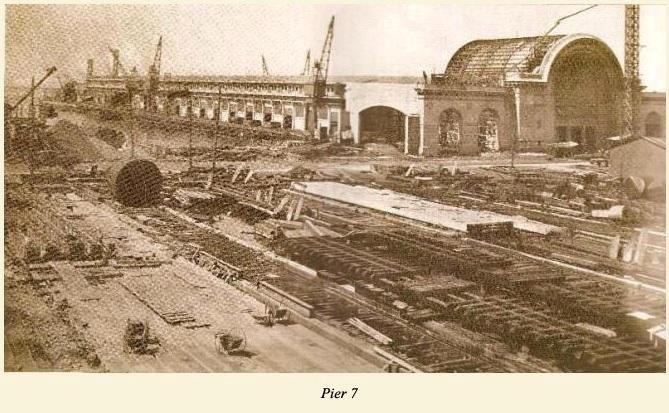
The design of Pier 7 at the busy Port Area of Manila departs from the prevailing neoclassical architecture of the American colonial period. Instead, Filipino architect Tomas Mapua generally followed a modernistic expression for this 1918 project. It is marked by a large semicircular window at the center of the building that effectively conveys symmetrical balance. At about one thousand feet long, Pier 7 was one of the longest architectural structures in the Philippines.
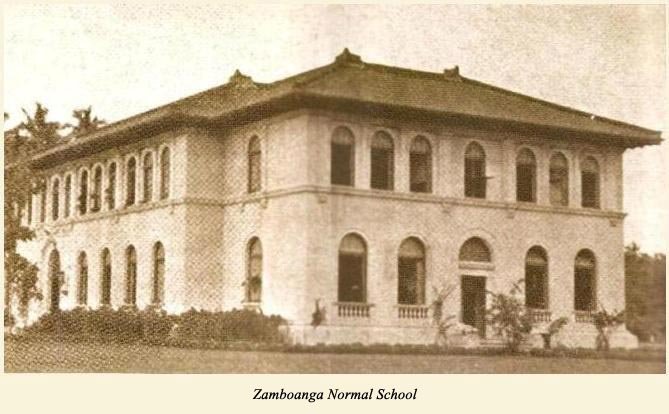
The Zamboanga Normal School was part of the eight normal schools established all over the Philippines by the Americans, which implemented a drastic overhaul of the educational system upon takeover of colonial control from the Spanish. It possesses the dignified design and harmonious proportions that characterize the works of Filipino architect Juan Marcos Arellano. This majestic 1918 structure was built following the American Mission style of architecture but coalesced with elements that allude to the country's Filipino-Spanish heritage.
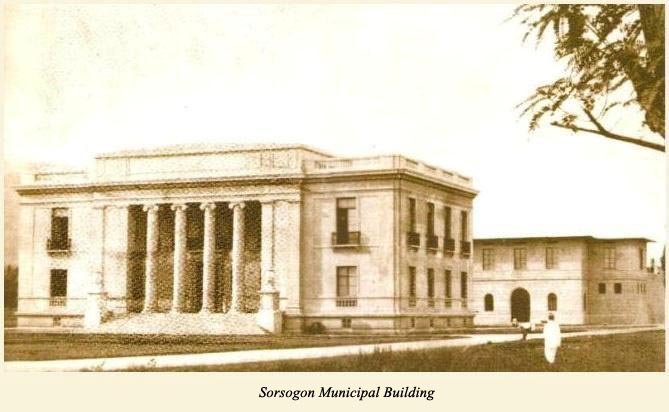
Located in the southern part of Luzon, the Sorsogon Municipal Complex was designed by Filipino architect Tomas Mapua in 1917 for the Bureau of Public Works. While adhering to the American neoclassical principle in architecture, Mapua incorporated Filipino details, thereby making it a fusion of architectural ideas and principles. The complex includes the municipal building, the jail, and the courthouse.
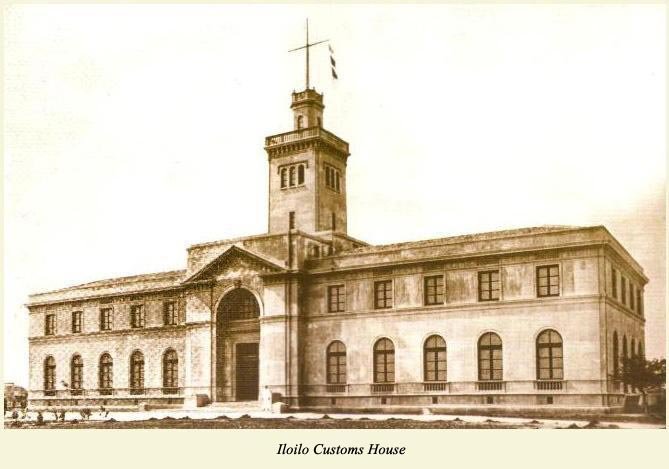
Characterized by a tall tower at its center, the Iloilo Customs House is representative of government buildings found all over the land that demonstrate the majestic proportions of American colonial architecture. Designed by Filipino architect Tomas Mapua in 1917, it is located along Muelle Loney, by the long harbor at Iloilo River.
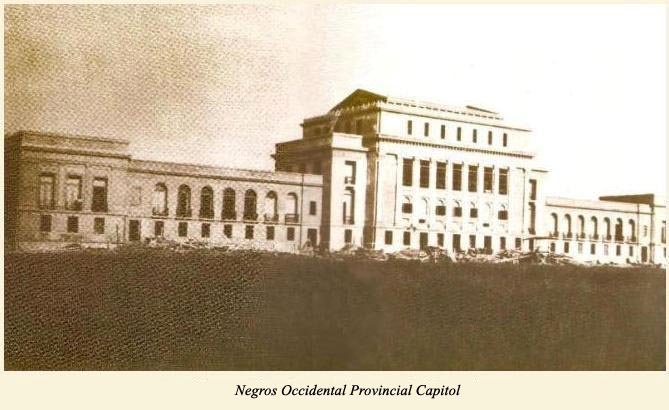
Located in Bacolod and designed by Filipino architect Juan Marcos Arellano in 1927, the Negros Occidental Provinci1 Capitol is one of the grandest capitol complexes in the Philippines. It magnificently subscribes to the American take on neoclassical architecture. The complex is highlighted by a lagoon with a carabao public art, a work by the Italian sculptor Francesco Monti that pays homage to Philippine agriculture.
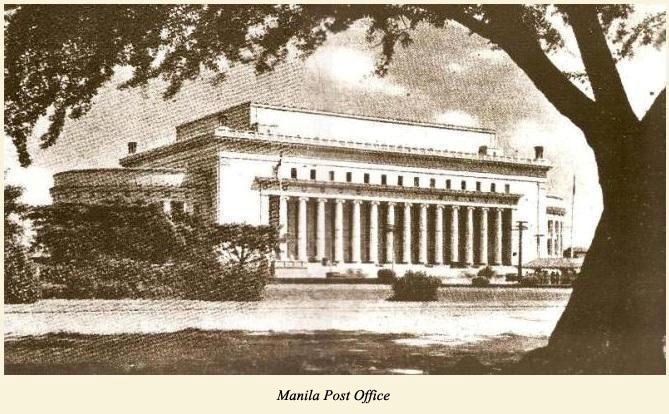
Considered as one of the most beautiful structures ever built in the Philippines in the 20th century, the Manila Post Office is the ultimate expression of American colonial architecture. It was designed by Filipino architect Juan Marcos Arellano in 1925 and constructed by Sta. Clara Lumber and Construction. Its well-thought location by the Pasig River, flanked by Manila's two important bridges, and at the entryway to the then broad Taft Avenue added to its scenic grandeur.
Contents under this American Colonial Architecture in the Philippines topic have been lifted from the 2010 calendar publication of the United Architects of the Phillippines, which was made in cooperation with Boysen Philippines.