

Articles
- American Colonial Architecture in the Philippines
- City Center Management
- Sustainable Development
- You and Your Architect
- Basic Information
American Colonial Architecture in the Philippines - Part 2
Among the Filipino architects, maestro de obra Arcadio Arellano was the first to be engaged by the Americans, serving as consultant to Governor-General William Howard Taft in 1901. More rendered public service through the Bureau of Public Works, most notably the pensionados who received academic scholarships in the U.S.: Carlos Barretto (from the first batch in 1903), Antonio Toledo (1910), Tomas Mapua (1911), and Juan Arellano (1912), who would become the most influential Filipino architect of the time, Their notable works include the Agriculture, Finance and Legislative Buildings, all stately icons of American colonial power.
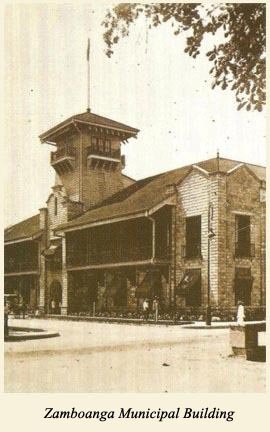
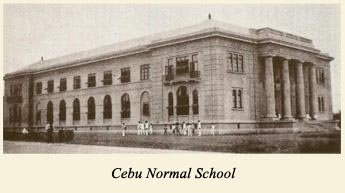
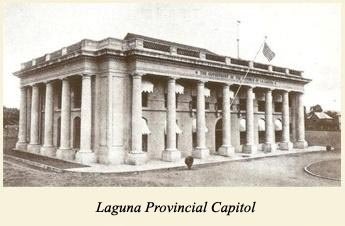
Without doubt, the American era brought forth a blossoming of the Philippine panorama: the modern American buildings assimilated with the antique Spanish churches and forts and the vernacular Filipino houses, making up an attractive architectural landscape. Manila, in particular proudly rubbed elbows with the best cities of the world.
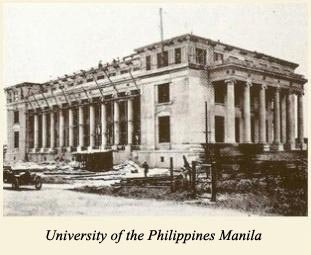
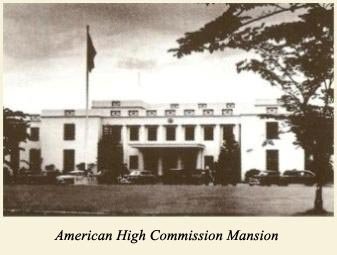
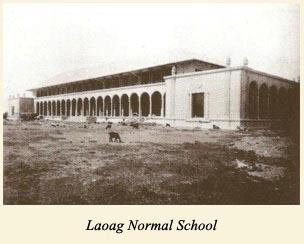
With the passing of time, so too have many of the period structures permanently passed away; some that have survived struggle and are imploring to be restored. Yet, there are also those that have lived on and thrived in their repurposed revival, proudly and poetically perpetuating their historical and architectural significance.
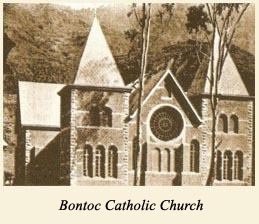
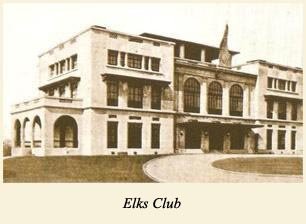
Contents under this American Colonial Architecture in the Philippines topic have been lifted from the 2010 calendar publication of the United Architects of the Phillippines, which was made in cooperation with Boysen Philippines.