

Articles
- American Colonial Architecture in the Philippines
- City Center Management
- Sustainable Development
- You and Your Architect
- Basic Information
American Colonial Architecture in the Philippines - Part 3
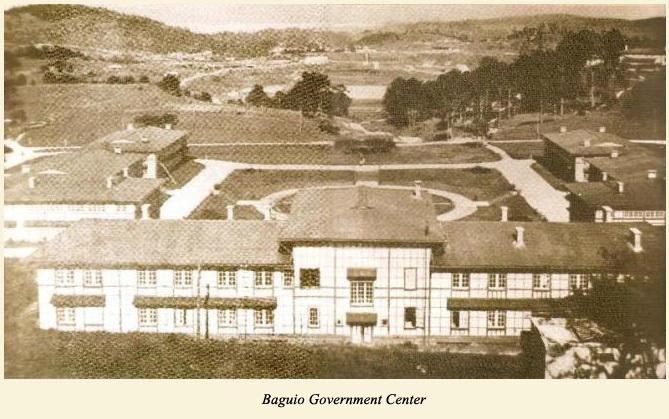
Early in its colonial rule, the American insular government prioritized the development of a settlement in the cooler region of the country to mitigate the summer heat. In 1904, renowned city planner and architect Daniel H. Burnham designed the vast area of Baguio in the mountain province of Benguet, a year after a resolution was passed declaring it the summer capital. Baguio was completed with government centers, hospitals, jails, schools, parks and lagoon, clubhouses, golf courses, and even a summer residential mansion for the American Governor-General.
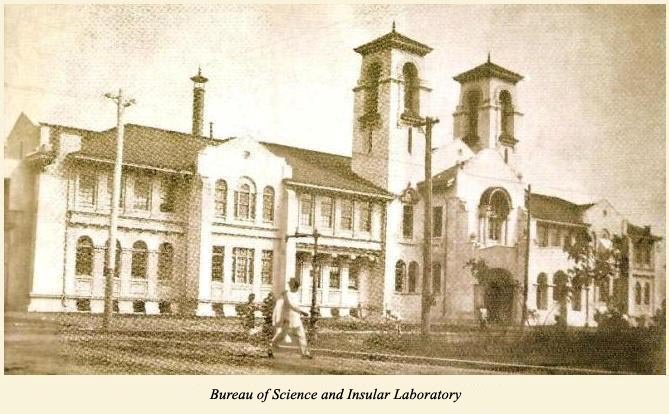
One of the structures built early in the American period was the Bureau of Science and Insular Laboratory building. Located along Calle Pedro Gil in Manila, the Mission style structure was designed by the insular government's first American resident architect, Edgar Bourne, in 1901. Its facilities were used for the study and development of the country's rich mineral, agricultural and forest resources.
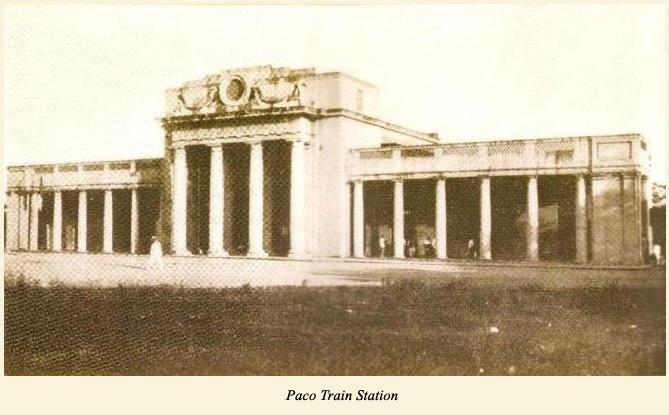
American Consulting Architect William Parsons adhered to the American neoclassical vision for Philippine architecture in this masterpiece. The train station is highlighted by a central portico, a large clock and a precast of the American eagle which symbolizes colonial supremacy and splendor. Located along Plaza Dilao, the structure was completed in 1908.
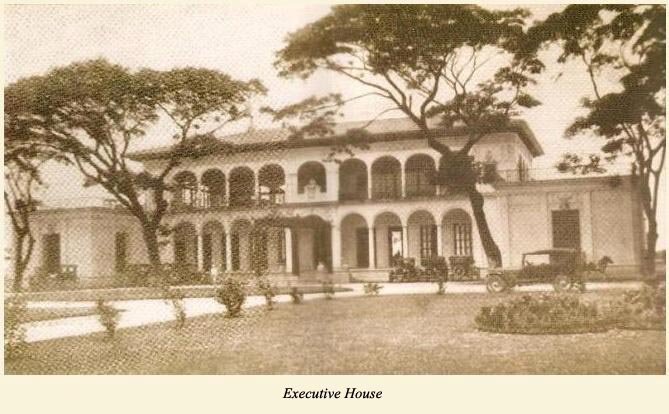
The Executive House was built under the administration of Governor-General Francis Burton Harrison (1913-1921) to accommodate the offices of the American insular government in the Philippines. It is located at the eastern portion of the Spanish-era Malacanang Palace by the banks of Pasig River. Designed by consulting architect Ralph Harrington Doane and supervised by Tomas Mapua in 1921, the Executive House reflects American and Filipino-Hispanic architecture fused in stately proportions.
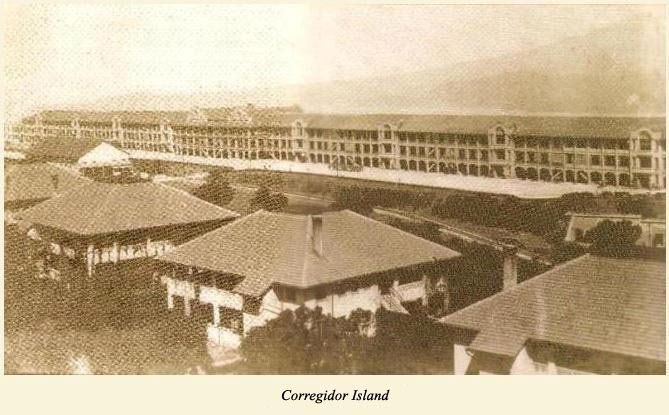
Strategically located at the mouth of Manila Bay, the island fortress of Corregidor was seen by the American as an important military installation for the defense of their power within the archipelago, as well as in Far East Asia. Military facilities were constructed and further developed from 1903 until the outbreak of the Second World War in 1941. Prided by the Americans as the "Gibraltar of the East," among the structures built were Fort Mills, Infantry Barracks, Battery Ream and the Malinta Tunnel.
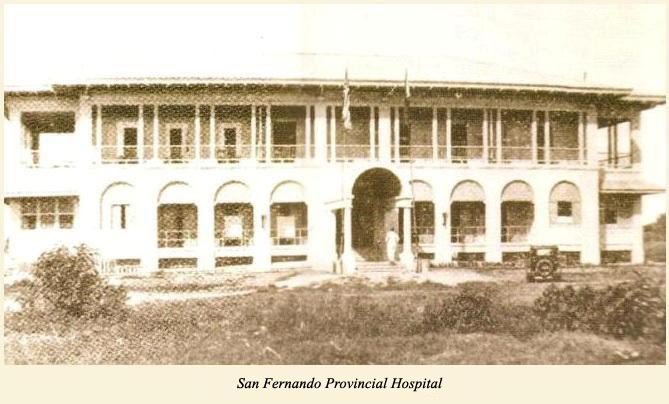
Tomas Mapua’s sensibility as a Filipino emerges in the details of this provincial hospital building in Pampanga, even as its immediate appearance is that of American architecture. Constructed by the Bureau of Public Works in 1915, the two-storey structure was among the many facilities that attested to the insular government's commitment to public health.
Contents under this American Colonial Architecture in the Philippines topic have been lifted from the 2010 calendar publication of the United Architects of the Phillippines, which was made in cooperation with Boysen Philippines.